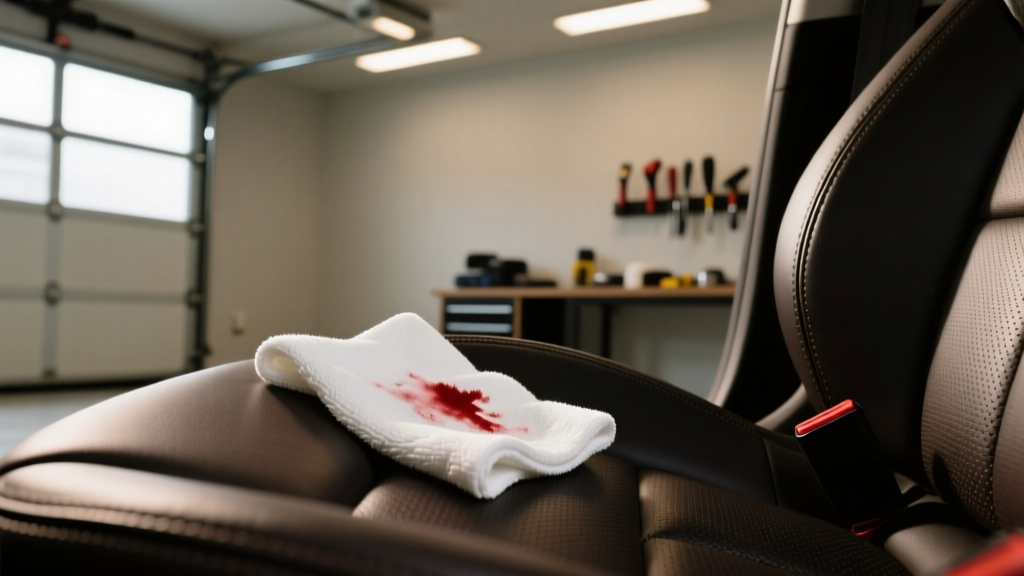
Cleaning for Blood Stain Removal - CarInteriorMix
Cleaning for Blood Stain Removal
Blood stains in a car are one of those ?how did this happen?? moments?maybe a scraped knee after a hike, a nosebleed on the way home, or a cut finger while loading gear. The tricky part is that blood is protein-based, so heat and the wrong chemicals can lock it into fabric, leather, or carpet fast.
The good news: you can usually remove blood stains from car seats, upholstery, carpet, and even leather with stuff you already have at home?if you act quickly and use the right method. Below are practical, car-owner-friendly tips that work in real life and won?t trash your interior in the process.
-
Start with cold water only (hot water sets blood)
Use cold water to blot the stain immediately?hot water can ?cook? the proteins and make the stain permanent. Wet a clean white microfiber towel with cold water and press down repeatedly; don?t scrub yet. Example: if a kid?s scraped elbow bleeds onto the seat on the drive home, pull over when safe and blot with a water bottle and a napkin, then do a proper clean once you?re parked. -
Blot, don?t rub?especially on fabric seats
Rubbing pushes blood deeper into upholstery fibers and can fray the fabric, leaving a fuzzy patch even if the stain fades. Work from the outside edge toward the center to keep the stain from spreading. If you only have paper towels, use them to blot, but switch to a microfiber cloth ASAP because paper can shred and leave lint in the weave. -
Use a gentle soap solution for fresh stains (DIY that actually works)
Mix a few drops of mild dish soap (like Dawn) into a cup of cold water, then dab the solution onto the stain with a cloth. Blot with a second cloth dampened with plain cold water to rinse, then blot dry. Real-world: this is a solid first step for a fresh nosebleed on a cloth seat?quick, cheap, and less risky than jumping straight to harsh cleaners. -
For dried blood on upholstery: hydrogen peroxide?spot test first
3% hydrogen peroxide can break down blood stains on light-colored fabric, but it can lighten dye, so test it in a hidden area first (under the seat or along a seam). Apply a small amount with a cotton swab or cloth, let it fizz for 30?60 seconds, then blot with cold water and dry. If the seat fabric is dark (black, navy, deep red), skip peroxide and use an enzyme cleaner instead to avoid bleaching. -
Enzyme cleaners are your best friend for ?set-in? car stains
Blood responds really well to enzyme-based upholstery cleaners (look for ?enzymatic? on the label), like Nature?s Miracle, Biokleen Bac-Out, or similar pet stain removers?because enzymes break down proteins. Spray lightly, let it dwell for the time on the bottle (often 5?15 minutes), then blot and rinse with a damp cloth. Example: if you discover a stain the next day on the rear seat, an enzyme cleaner is usually more effective than repeated soap scrubbing. -
Car carpet and floor mats: lift the stain, then extract
For carpet blood stain removal, start by loosening the stain with cold water and an enzyme cleaner, then blot. If you have a wet/dry shop vac or a small carpet extractor (like a Bissell Little Green), extract with cold water to pull residue out of the carpet backing. This matters because carpet holds onto grime underneath?surface cleaning can look good until it dries and the stain ?ghosts? back. -
Leather seats need a different approach (no peroxide, no soaking)
Leather is easier to wipe clean, but you can damage the finish if you use strong chemicals. Use a pH-balanced leather cleaner (Lexol, Chemical Guys Leather Cleaner, etc.) or a mild soap-and-water mix on a damp cloth, then wipe gently and dry immediately. Follow with leather conditioner after the area is fully dry?especially if you had to wipe multiple times?so the leather doesn?t stiffen or crack. -
Don?t use heat until the stain is gone (that includes steam cleaners)
Heat can set blood stains in seats, carpet, and headliners, so avoid steam cleaning, hair dryers, and hot air blasting until you?re sure the stain is fully removed. Let the area air dry, then check it in natural light?stains can hide while damp. If you accidentally used warm water and the stain got darker, switch to an enzyme cleaner and give it proper dwell time before doing anything else. -
Headliner stains: minimal moisture, maximum patience
Headliners are glued on, and too much liquid can loosen the adhesive and cause sagging. Use a foaming upholstery cleaner (Turtle Wax Power Out, Meguiar?s Carpet & Upholstery Foam, etc.) or a barely damp cloth with enzyme cleaner, then blot gently without soaking. Example: if blood flicked onto the headliner from a bandaged hand, treat it like a ?surface-only? job?small amounts, repeated blotting, and no heavy scrubbing. -
Finish the job: rinse lightly and dry fast to prevent odors and rings
Cleaner residue attracts dirt and can leave a water ring, especially on cloth seats. After stain removal, wipe with a cloth dampened with plain cold water, then blot dry with a towel. Crack windows, run the fan, or place a small fan in the car for an hour?faster drying helps prevent musty smells and keeps the cleaned spot from looking darker than the surrounding fabric. -
Safety first: treat blood like a biohazard and protect yourself
Wear disposable gloves if possible, especially if it isn?t your blood, and bag any heavily soiled materials. Avoid mixing chemicals (never combine peroxide with bleach or ammonia-based products), and ventilate the car when using sprays. If the stain is large, old, or you suspect it soaked into seat foam, a professional detailer with an extractor and proper disinfectants may be the safest move.
Quick Reference Summary
- Use cold water and blot?no hot water, no aggressive rubbing.
- Fresh stain: mild dish soap + cold water.
- Dried stain on light fabric: 3% hydrogen peroxide (spot test first).
- Best all-around: enzyme cleaner for blood stain removal on upholstery and carpet.
- Carpet: treat + extract if you can (shop vac/extractor).
- Leather: use a leather-safe cleaner, keep moisture minimal, condition after.
- Headliner: very little liquid to avoid sagging.
- Dry fast, ventilate, and use gloves for safety.
Conclusion
Blood stains look intimidating, but most car interiors clean up well when you use cold water, the right cleaner, and a patient blotting method. Try the tips above based on your surface?cloth, carpet, leather, or headliner?and you?ll usually get back to a clean, normal-looking cabin without a full detail appointment. If you run into a stubborn stain, step up to an enzyme cleaner or extractor, and don?t be afraid to call a pro for big or deeply soaked messes.